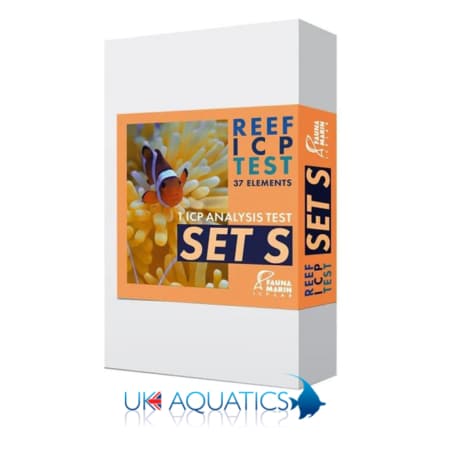
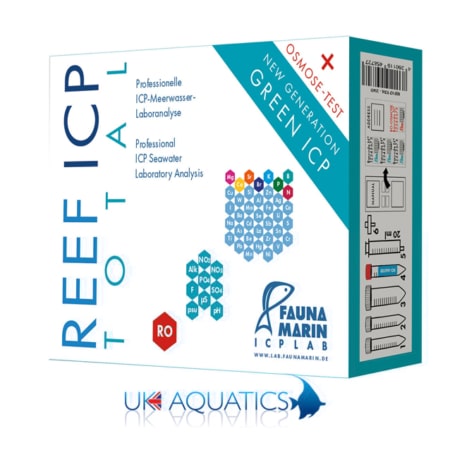
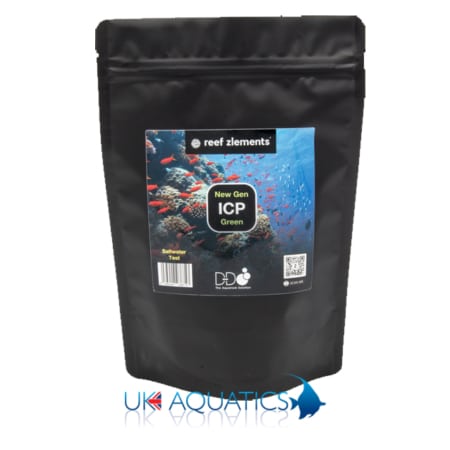
What is ICP Testing for Marine Aquariums: Essential Insights for Optimal Water Quality
ICP testing, or Inductively Coupled Plasma testing, is a sophisticated method employed to analyse the chemical parameters of marine aquarium water. In the marine aquarium hobby, maintaining an optimal environment for aquatic life is crucial. ICP testing provides aquarium enthusiasts with detailed insights into the trace elements and nutrient levels within their tanks, which are essential for the health and growth of corals and fish.
The testing process involves sending a water sample to a laboratory, where it is subjected to a high-energy plasma state. This technique ionises the sample, allowing for precise measurement of various elements. The results offer a comprehensive overview of water quality, pinpointing any deficiencies or toxicities that might not be detectable through traditional test kits.
Aquarium keepers rely on these results to make informed decisions about water treatment. By understanding the exact concentrations of substances like calcium, magnesium, potassium, and heavy metals, they can adjust dosing regimens and address imbalances. This attention to detail ensures the long-term success and stability of marine ecosystems under their care.
Understanding ICP Testing
Inductively Coupled Plasma (ICP) testing is a sophisticated technique used to accurately measure trace elements in marine aquariums, ensuring the health and sustainability of the aquatic ecosystem.
Principles of ICP
ICP testing functions by ionising the sample with a plasma torch that operates at temperatures hot enough to break down atoms into their ions and electrons. These ions are then detected and quantified based on their unique mass and charge.
Steps involved in ICP Testing:
Sample Preparation: The water sample is taken from the aquarium and appropriately prepared for testing.
Ionisation: The sample is introduced into a plasma torch where it is subjected to extremely high temperatures.
Detection: The ionised elements emit light at specific wavelengths, which is measured by a detector.
Quantification: The intensity of the emitted light correlates with the concentration of the specific elements within the sample.
Importance in Marine Aquariums
ICP testing’s precision plays a critical role in maintaining the delicate balance of marine ecosystems. By detecting even the slightest concentrations of both beneficial and harmful elements, aquarists can make informed decisions to optimise the water chemistry for the health of their marine life.
Key Benefits of ICP Testing:
Trace Element Monitoring: Accurately measures essential trace elements like magnesium, calcium, and potassium.
Contaminant Detection: Identifies toxic elements such as lead, arsenic, or copper that could be detrimental to the aquarium inhabitants.
Water Quality Management: Enables targeted adjustments to the water parameters, enhancing both the stability and the quality of the marine habitat.
These capabilities make ICP an invaluable tool in the intricate management of marine aquarium settings.
- Display 15 Products per page